
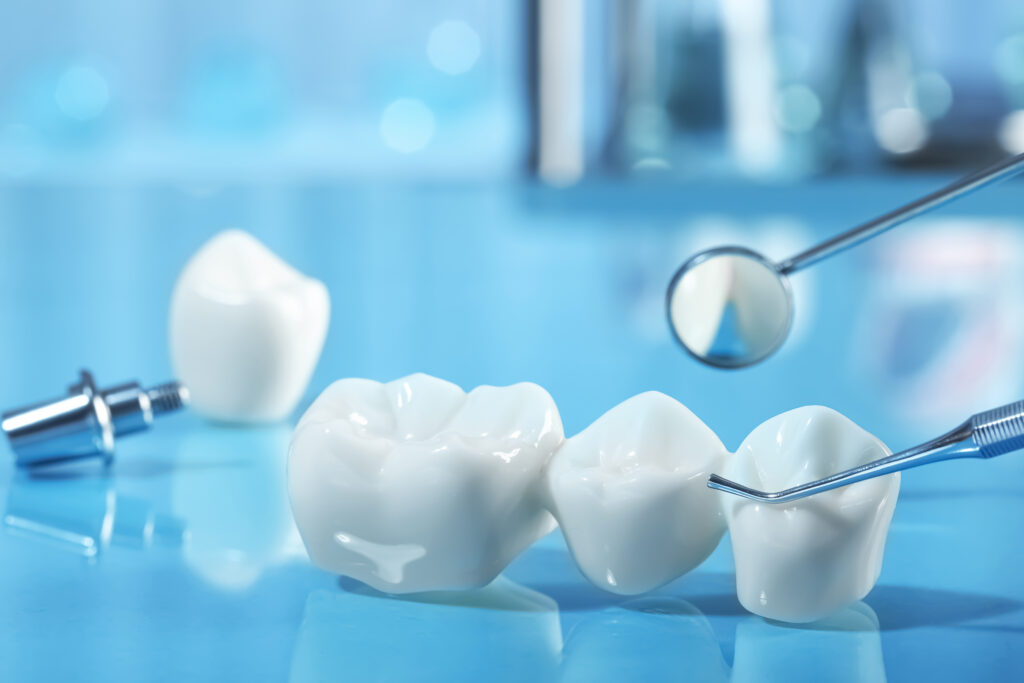
When a tooth becomes weakened, damaged, or compromised, one of the most reliable solutions in modern dentistry is a dental crown. At Brittmoore Dental in Houston, patients often ask about their options, how crowns work, and which type is best for their situation. This guide will walk you through everything you need to know, from materials and durability to how dentists make the right recommendation for your smile.
What Is a Dental Crown?
A dental crown is a custom-made restoration that fits over a tooth like a protective cap. It is designed to restore the tooth’s strength, shape, size, and overall function while also improving its appearance. Crowns are commonly used when a tooth is too damaged for a filling but not beyond saving with extraction.
Think of a crown as a structural reinforcement. It surrounds the visible portion of the tooth above the gum line and becomes the new outer surface. Once placed, it allows you to chew, speak, and smile with confidence again.
Crowns are crafted from a variety of materials, each offering different benefits in terms of durability, esthetics, and cost. Understanding these options is key to making an informed decision.
Why Are Dental Crowns Needed?
Dental crowns are recommended in a wide range of situations, all centered around preserving and restoring teeth that would otherwise continue to deteriorate. One of the most common reasons is severe decay. When a cavity becomes too large, there is not enough healthy tooth structure remaining to support a traditional filling.
They are also frequently used after root canal therapy. A tooth that has undergone this treatment can become brittle over time, and a crown helps protect it from fracture. In cases of cracked or broken teeth, crowns act as a stabilizing force, holding the structure together and preventing further damage.
Crowns are also used for restorative and esthetic purposes. Patients with worn-down teeth from grinding, or those looking to improve the shape or color of a tooth, may benefit from crown placement. Additionally, crowns are essential components of dental implants and bridges, serving as the visible and functional replacement for missing teeth.
For patients seeking Dental Crowns in Houston, the goal is always the same: preserve natural teeth whenever possible while restoring full function and a natural-looking smile.
Types of Dental Crowns Explained
There is no one-size-fits-all solution when it comes to dental crowns. The type of crown recommended will depend on the location of the tooth, the amount of bite force it must and the patient’s esthetic preferences. Here are the most common types of dental crowns explained in a way that makes sense from a patient perspective.
Porcelain crowns are one of the most popular choices, especially for front teeth. They are known for their ability to closely mimic the natural translucency and color of enamel. For patients concerned about how their smile looks, porcelain offers an excellent esthetic solution. However, while modern porcelain is strong, it may not always be the best option for molars that heavy chewing forces.
Porcelain fused to metal crowns combine the strength of a metal base with the esthetic appeal of a porcelain outer layer. This type has been used successfully for many years and offers a good balance between durability and appearance. One potential drawback is that over time, the metal margin may become visible near the gum line.
Zirconia crowns have become increasingly popular due to their exceptional strength and improved esthetic qualities. Zirconia is a type of ceramic that is highly resistant to wear and fracture, making it ideal for back teeth. Newer versions also offer a more natural appearance, making them suitable for visible areas as well.
Gold crowns, while less common today for esthetic reasons, are still considered one of the most durable options available. They are extremely gentle on opposing teeth and can last for many years. For patients who prioritize longevity over appearance, gold remains a reliable choice.
All resin crowns are typically more affordable but are not as durable as other materials. They may be used as a temporary solution or in situations where cost is a primary concern. Over time, they are more prone to wear and fracture.
Each of these options has its place in modern dentistry. The right choice depends on a careful evaluation of your individual needs.
How Dentists Choose the Right Crown
Selecting the right crown is a clinical decision that balances function, esthetics, and long-term success. At Brittmoore Dental, this process begins with a thorough examination of the tooth and surrounding structures.
One of the primary considerations is location. Front teeth require a high level of esthetics, so materials like porcelain or high-translucency zirconia are often preferred. Back teeth, on the other hand, significant chewing forces, making strength a top priority.
Bite dynamics also play a major role. Patients who grind or clench their teeth may need a stronger material to prevent fractures. In these cases, zirconia or metal-based crowns are often recommended.
Another factor is the amount of remaining tooth structure. If a tooth is significantly compromised, the dentist may choose a material that provides maximum support and durability.
Patient preferences matter as well. Some patients prioritize a natural look, while others are more concerned with longevity or cost. A good Houston Dentist will take the time to explain these trade-offs and guide you toward the best decision.
Advancements in digital dentistry have also improved the process. In some cases, crowns can be designed and fabricated with high precision using digital scans, leading to a better fit and more predictable results.
How Long Do Dental Crowns Last?
One of the most common questions patients ask is how long their crown will last. The answer depends on several factors, including the material used, oral hygiene habits, and lifestyle.
On average, dental crowns can last anywhere from 10 to 15 years, and often much longer with proper care. Some materials, such as gold and zirconia, have been known to last decades.
However, crowns are not indestructible. They are subject to the same forces as natural teeth. Chewing hard foods, grinding, and poor oral hygiene can all shorten their lifespan.
Regular dental visits play a critical role in extending the life of a crown. During routine checkups, your dentist can monitor the integrity of the crown and address any issues early before they become more serious.
Caring for Dental Crowns
Caring for a dental crown is very similar to caring for your natural teeth. Daily brushing and flossing are essential to prevent decay at the margin where the crown meets the tooth. Even though the crown itself cannot decay, the underlying tooth structure still can.
It is important to use a soft-bristled toothbrush and non-abrasive toothpaste to avoid unnecessary wear. Flossing around the crown helps remove plaque and bacteria that can lead to gum disease or decay.
Patients should also be mindful of their habits. Avoid chewing on ice, hard candies, or other objects that could damage the crown. If you grind your teeth at night, a custom night guard may be recommended to protect both your crowns and natural teeth.
Routine dental cleanings and exams are equally important. Your dental team will ensure that your crown remains in good condition and that your overall oral health is maintained.
When Should You Replace a Crown?
Even the best dental crowns will eventually need to be replaced. Recognizing the signs early can help prevent more serious complications.
One indication is visible wear or damage. If a crown becomes chipped, cracked, or loose, it should be evaluated promptly. Sensitivity or discomfort around the crowned tooth may also signal an issue, such as decay underneath the crown or a compromised seal.
Changes in the fit or appearance of the crown can also be a sign that it is time for replacement. Over time, the margin may wear down, allowing bacteria to enter and cause decay.
Regular dental visits are the best way to monitor the condition of your crowns. Your dentist can identify potential problems early and recommend replacement before more extensive treatment is needed.
Dental Crowns in Houston
For patients considering Dental Crowns in Houston, choosing the right provider is just as important as choosing the right material. At Brittmoore Dental, located at 1046 Brittmoore Rd, Houston, TX 77043, the focus is on delivering personalized care that aligns with each patient’s needs and goals.
A skilled Houston Dentist will not only restore the function of your teeth but also ensure that your crown blends seamlessly with your natural smile. From initial consultation to final placement, the process is designed to be comfortable, efficient, and predictable.
Whether you need to restore a damaged tooth, protect a weakened one, or enhance your smile, dental crowns offer a proven solution that combines strength and esthetics. With the right approach and proper care, they can provide long-lasting results that support both your oral health and your confidence.