
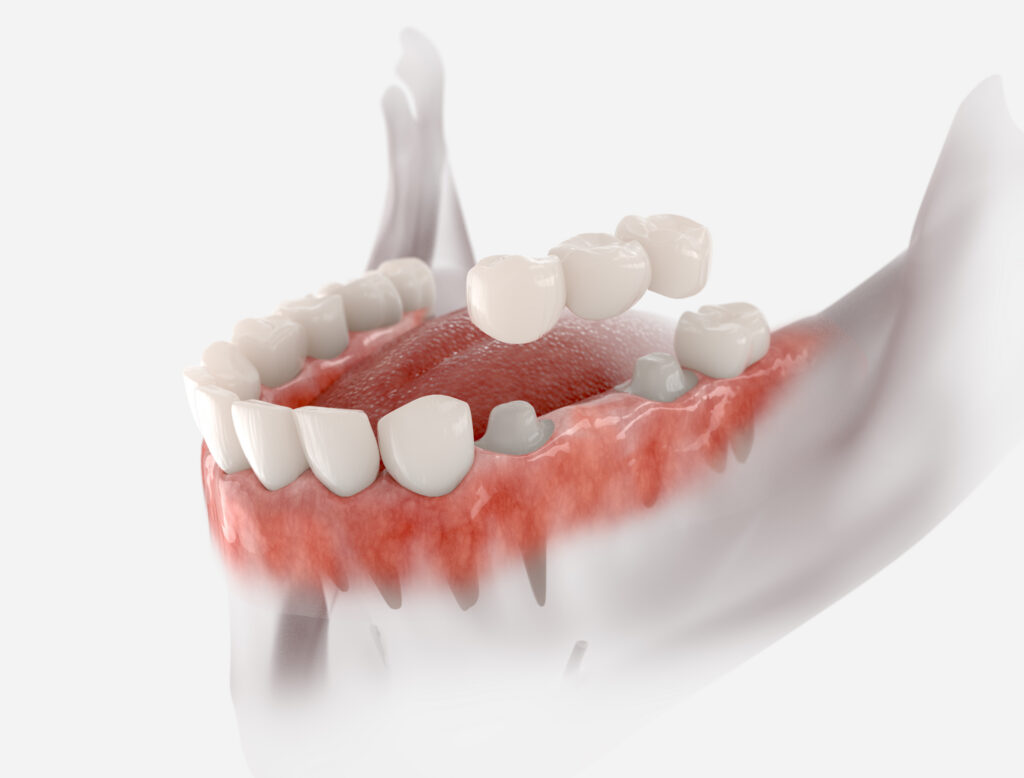
Missing teeth can affect far more than just your smile. They can impact how you chew, how you speak, and even how confident you feel in everyday interactions. For many patients, dental bridges provide a reliable and natural-looking solution to restore both function and appearance. If you’re considering this option, one of the most important questions you likely have is: How long do dental bridges last?
At Brittmoore Dental, located at 1046 Brittmoore Rd in Houston, TX, patients frequently ask about the longevity of dental bridges and what they can do to maximize their investment. The answer depends on several factors, including the type of bridge, your oral hygiene habits, and your overall dental health.
How Long Can A Dental Bridge Last?
Dental bridges are designed to be durable and long-lasting, but they are not permanent. On average, a well-made dental bridge can last anywhere from 5 to 15 years. In many cases, patients who take excellent care of their oral health can extend the lifespan of their bridge to 20 years or more.
The materials used in the bridge play a major role in longevity. Bridges made from porcelain fused to metal or zirconia tend to offer a strong combination of durability and natural appearance. Additionally, the health of the supporting teeth or implants is critical. A bridge relies on these structures for stability, so if they remain healthy, the bridge has a much better chance of lasting longer.
Lifestyle habits also matter. Patients who grind their teeth, frequently chew hard objects like ice, or neglect regular dental visits may experience a shorter lifespan for their bridge. On the other hand, consistent preventive care and mindful habits can significantly extend its durability.
What’s the Difference Between Removable and Fixed Bridges?
When discussing dental bridges, it’s important to understand that not all bridges are the same. One of the most common questions patients ask is: What’s the Difference Between Removable and Fixed Bridges?
A fixed dental bridge is the most common type used today. It is permanently cemented onto adjacent teeth or supported by dental implants. Because it stays in place, it feels more natural and functions very similarly to your original teeth. Fixed bridges are generally more durable and tend to last longer than removable options.
Removable bridges, often referred to as partial dentures, can be taken out for cleaning and sleeping. While they can be a more affordable solution upfront, they typically do not offer the same level of comfort, stability, or longevity as fixed bridges. They may also require more frequent adjustments or replacements over time.
For many patients seeking Dental Bridges in Houston, fixed bridges are the preferred option due to their seamless integration into daily life and longer-lasting results. However, the best choice depends on your individual needs, oral health, and budget, which is why a consultation with a Dentist in Houston is essential.
Why Dental Bridges Fail
Even though dental bridges are built to last, they are not immune to problems. Understanding Why Dental Bridges Fail can help you take proactive steps to protect your investment.
One of the most common reasons for failure is decay in the supporting teeth. Since a traditional bridge relies on adjacent teeth for support, any decay or damage to those teeth can compromise the entire structure. This is why maintaining excellent oral hygiene is so critical.
Another factor is gum disease. Healthy gums are essential for keeping both natural teeth and dental restorations stable. If gum disease develops, it can weaken the foundation of the bridge, leading to loosening or failure.
Mechanical issues can also occur. Over time, the cement that holds a bridge in place can weaken, or the materials themselves can wear down or fracture, especially if exposed to excessive force from grinding or clenching.
In some cases, improper fit or placement may contribute to premature failure. That’s why working with an experienced dental team is so important. At Brittmoore Dental, careful planning and precision placement help ensure your bridge fits comfortably and functions properly from day one.
How to Care for Your Dental Bridge
If you want your bridge to last as long as possible, knowing How to Care for Your Dental Bridge is essential. The good news is that caring for a bridge is very similar to caring for your natural teeth, but with a few additional considerations.
Daily brushing and flossing are non-negotiable. Food particles and plaque can accumulate around and underneath the bridge, increasing the risk of decay and gum disease. Using floss threaders or specialized cleaning tools can help you clean areas that are harder to reach.
Regular dental checkups are equally important. During these visits, your dentist can monitor the condition of your bridge, check the health of supporting teeth, and address any minor issues before they become major problems.
It’s also wise to be mindful of what you eat. While dental bridges are strong, consistently chewing very hard or sticky foods can put unnecessary stress on the restoration. Moderation and awareness can go a long way in preserving your bridge.
For patients receiving Dental Bridges in Houston, personalized care instructions are often provided to ensure long-term success. Following these recommendations closely can significantly extend the life of your restoration.
How Do You Eat With a Bridge?
Adjusting to a dental bridge is usually a smooth process, but many patients still wonder: How Do You Eat With a Bridge?
Initially, you may need to stick to softer foods while your mouth adapts. This allows you to get used to the feel of the bridge and helps prevent unnecessary pressure on the area. As you become more comfortable, you can gradually return to a normal diet.
It’s helpful to chew evenly on both sides of your mouth to distribute pressure and avoid overloading the bridge. Cutting food into smaller pieces can also make chewing easier and more comfortable, especially in the early stages.
Most patients find that once they’ve adjusted, eating with a bridge feels very natural. In fact, one of the biggest benefits of dental bridges is the ability to restore normal chewing function, allowing you to enjoy a wider variety of foods again.
Factors That Influence How Long a Bridge Lasts
While averages provide a helpful guideline, the actual lifespan of your dental bridge depends on several individual factors. Oral hygiene is perhaps the most important. Patients who maintain consistent brushing, flossing, and professional cleanings tend to see significantly longer-lasting results.
The condition of surrounding teeth and gums also plays a critical role. A strong, healthy foundation ensures that the bridge remains stable over time. Any underlying issues, such as untreated decay or gum disease, can shorten the lifespan of the restoration.
Bite alignment is another factor that often goes overlooked. If your bite places uneven pressure on the bridge, it can lead to premature wear or damage. Your Dentist in Houston will carefully evaluate your bite to ensure optimal function.
Finally, lifestyle habits such as smoking, teeth grinding, and diet can all impact longevity. Addressing these factors can make a noticeable difference in how long your bridge lasts.
The Role of Modern Dentistry in Bridge Longevity
Advancements in dental technology have significantly improved the durability and performance of dental bridges. Today’s materials are stronger, more natural-looking, and more resistant to wear than ever before.
Digital imaging and precise fabrication techniques allow for better-fitting restorations, reducing the risk of complications. These innovations help patients in Houston achieve longer-lasting results with improved comfort and esthetics.
Additionally, implant-supported bridges are becoming an increasingly popular option. Unlike traditional bridges that rely on natural teeth, these are anchored by dental implants, which can provide exceptional stability and longevity. For some patients, this option may offer an even longer-lasting solution.
When to Replace a Dental Bridge
Even with excellent care, there may come a time when your dental bridge needs to be replaced. Signs that it may be time for a new bridge include discomfort, visible damage, loosening, or changes in how it fits.
You might also notice increased sensitivity or difficulty chewing, which can indicate underlying issues with the supporting teeth or gums. Regular dental visits are key to catching these signs early and determining the best course of action.
Replacing a bridge at the right time can prevent more extensive dental problems and help maintain your oral health and overall comfort.
Choosing the Right Dentist in Houston
The longevity of your dental bridge starts with proper planning, placement, and ongoing care. Choosing an experienced Dentist in Houston is one of the most important decisions you can make.
At Brittmoore Dental, patients receive personalized treatment plans tailored to their unique needs. From the initial consultation to long-term maintenance, every step is designed to ensure optimal results and lasting satisfaction.
If you’re considering Dental Bridges in Houston or want to learn more about how long your current bridge may last, scheduling a consultation is the best place to start. A thorough evaluation can provide clarity, confidence, and a path forward for restoring your smile.
Dental bridges are more than just a cosmetic solution. They play a vital role in maintaining oral function, preventing shifting teeth, and supporting overall dental health. With proper care and professional guidance, they can serve you well for many years, helping you smile, speak, and eat with confidence.